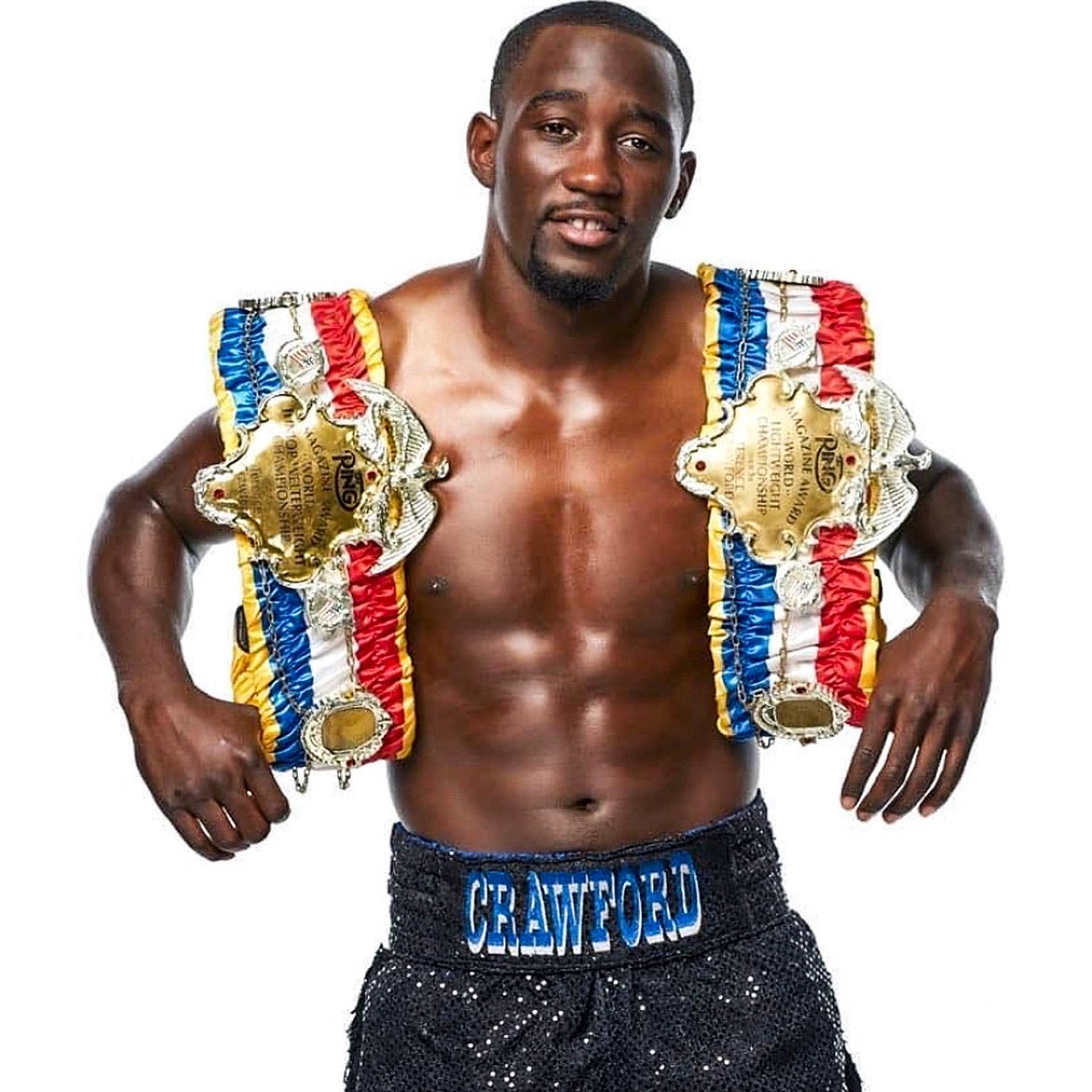
World super middleweight champion Terence Crawford’s public dispute with the WBC has drawn widespread attention across the boxing industry, emerging at a moment when major stakeholders are seeking to influence the sport’s future structure. The WBC announced it had stripped Crawford of the WBC super middleweight title following what it described as unpaid sanctioning fees from two recent bouts, including his September victory over Canelo Álvarez. According to the organization, Crawford was informed on multiple occasions of an outstanding balance of approximately $300,000 tied to the Álvarez event, which the WBC termed as a reduced rate from the WBC’s standard 3% championship fee. In bouts for multiple titles, like Crawford-Alvarez, the boxers typically negotiate lesser percentages. “The WBC modified its rules to limit the Boxer’s Bout Fee to 0.6% appreciating the magnitude of the event,” WBC president Mauricio Sulaiman said during the organization’s annual convention in Bangkok. “Multiple notifications were sent to Crawford, his manager, and his legal counsel, and we did not receive any acknowledgment.”
Crawford responded with a scorching nine-minute video on Instagram criticizing the WBC’s fee structure and questioning the organization’s right to receive payment above the amounts accepted by the other three sanctioning bodies for this fight. “You can take the belt,” Crawford said. “Why am I paying you every time I step into the ring?” Crawford, who remains recognized as champion by the WBA, WBO, IBF and most importantly, the general public and the press, had previously displayed the WBC’s commemorative belt following his win over Álvarez, making the sharp turn in tone notable for those familiar with his typically quiet public demeanor.
TKO Enters the Conversation Ahead of Congressional Hearing
The dispute coincided with comments from TKO Group president Nick Khan, who appeared on ESPN’s Pat McAfee Show one day after Crawford’s remarks. Khan criticized the WBC’s decision to strip Crawford outside the ring, comparing the situation to a major sports league revoking a championship title because of an unpaid fee. “It all seems quite odd that a sport would be run that way,” Khan said, arguing that boxing’s multi-body structure has created inconsistencies and confusion.
Khan's remarks came as TKO, the parent company of the UFC and Zuffa Boxing, prepared to appear before Congress in support of proposed amendments to the Muhammad Ali Boxing Reform Act. The proposal includes the creation of a “Unified Boxing Organization,” a new governing body that would assume roles currently performed by sanctioning organizations but not charge any sanctioning fees. TKO officials have framed the proposal as an optional alternative for fighters seeking a more centralized system.
Antitrust Case Shadows TKO’s Reform Effort
The timing has attracted scrutiny, given the UFC’s recent agreement to pay more than $335 million to settle a long-running antitrust lawsuit alleging the company used long-term contracts and market dominance to suppress fighter compensation. A separate class-action filing is expected. Critics of TKO's proposed Ali Act amendment argue that centralizing governance under a single entity could mirror the UFC’s business structure, where athletes typically receive 15–20% of event-generated revenue—significantly below athlete's revenue shares in major team sports.
Supporters contend that boxing’s fragmented landscape has left fans and fighters uncertain about titles, rankings and mandatory challengers, and that consolidation could restore clarity.
Sanctioning Bodies Face Longstanding Questions About Governance
While Crawford’s challenge to sanctioning fees has amplified debate over the WBC’s handling of the matter, industry observers note that sanctioning bodies have faced decades of criticism over ranking practices, title proliferation, inconsistent mandatories and a lack of financial transparency. The organizations were created in part to bring structure to championship recognition, yet their overlapping jurisdictions have increasingly drawn pushback from fighters and promoters. “The sanctioning bodies’ own conduct has contributed to the environment they now face,” said one veteran promoter, who asked not to be identified to speak candidly. “This is not coming out of nowhere.”
Saudi Funding Adds Economic Uncertainty
Saudi Arabia’s Public Investment Fund has played a central role in financing marquee boxing events over the past two years, contributing to significantly elevated fighter purses. Several industry executives have expressed concern about what may occur if those subsidies decline and fighters operating under a more centralized model face reduced negotiating leverage. Under a UFC-style structure, fighters typically cannot negotiate independently with promoters or networks, and their compensation is tied to internally controlled event revenue. Observers question whether the high-purse environment seen in recent Saudi-hosted events is sustainable long-term, and what the implications could be if fighters are locked into contracts that limit mobility and bargaining rights.
Historical Parallels
Analysts note that similar shifts have occurred in other combat sports and professional leagues. The UFC’s rapid consolidation of mixed martial arts in the 2000s emerged from a once-fragmented promoter system. The UFC ultimately created a dominant organization with substantial control over athlete careers and compensation. Earlier decades saw sanctioning bodies themselves formed as reform efforts to replace perceived unfairness in previous systems, creating a cycle of new governing structures each promising greater stability. Comparable patterns have appeared in the NBA-ABA merger and the centralization of professional wrestling under a single promotion, both justified by claims of improving consistency and reducing fragmentation but often accompanied by reduced athlete leverage.
Industry Reaction Still Developing
Reaction within the boxing industry has been mixed. Some promoters and managers argue that Crawford’s criticism highlights long-standing grievances regarding sanctioning-body practices. Others caution that replacing multiple organizations with a single authority—particularly one backed by a major corporate entity—could recreate the structural imbalances seen in other sports where fighter bargaining power is constrained.
For now, Crawford remains adamant that his position concerns fairness rather than politics, while the WBC maintains that it followed its rules and provided multiple notices. TKO continues to advocate for an amended Ali Act that would allow its proposed governing model to operate within boxing’s wider ecosystem. With Congress weighing potential legislative changes and key figures publicly challenging the sport’s current governance, the outcome could shape boxing’s competitive structure for years to come. The debate, once limited to sanctioning fees, now reflects broader questions about who should control the future of the sport—and under what model that control should operate